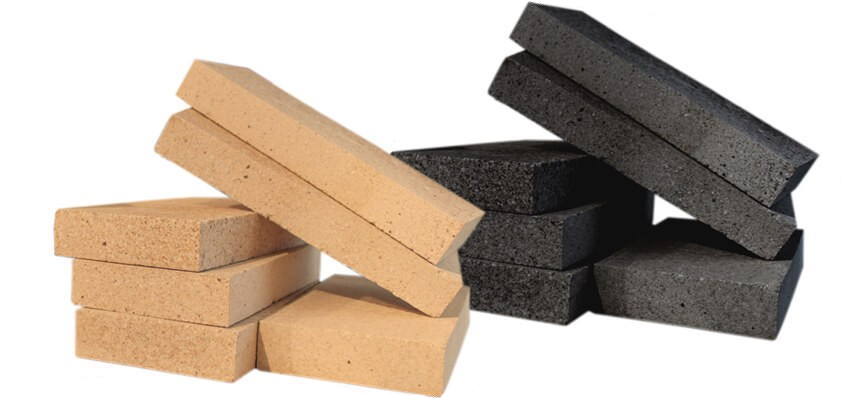
After winter, first inspect the fire pit without lighting it. A cracked joint may indicate a local defect, but also displacement of bricks or damage from moisture. The repair will be more durable if you determine the condition of the entire structure before covering the traces with new material.
Check stability and water paths
Take a photo of the entire fire pit as well as close-ups of the cracks. Compare them with previous conditions if you have documentation. Record whether the shape of the wall has changed, if there are any crumbled parts, or if elements at the base have loosened.
Check the rainwater drainage area and the cover used outside the season. Water accumulating in the same area can cause the problem to recur after a surface repair. A loose brick requires an assessment of its setting, not just new mortar around it.
Choose the material according to the size of the repair
For compatible external refractory joints, Outdoor Oven Cement can be used. First, remove weak material and check if the remaining edges create a suitable substrate. The geometry of the restored joint must comply with the mortar and construction instructions.
Heatproof Screed has other applications, including larger intended refractory fillings. This does not mean it can be used to arbitrarily glue an unstable wall. In the case of significant damage, first determine the scope of the rebuild and the cause of the loss of support.
Plan for drying before use
Perform the work under conditions allowed for the selected product. Protecting fresh work and allowing time for setting are part of the repair. Wet bricks may require further drying even when the new mortar appears ready.
The first firing should correspond to the commissioning procedure for the installed system. Do not try to simultaneously test the strength of the repair and quickly evaporate all moisture with a large fire. Keep photos after the repair; during subsequent inspections, it will be easier to notice if the problem reappears in exactly the same place.